 |
|
|
|
|
|
 |
|
||||
 |
 |
 |
|
||
 |
 |
 |
|
||
 |
 |
|
|||
|
|||||
|
|
Back to Grower & Consumer Education | ||
OLIVE OIL QUALITY
As the market for premium (extra virgin) olive oil becomes more refined in its choice and general understanding of the nature of the product increases, quality emerges as the single most important production requirement. But precisely what is quality in oil? As producers do we really know how to both recognize it and design our production methods to favour it? Quality in premium (extra virgin) olive oil derives from
a complex and varied series of influences which begin well before the
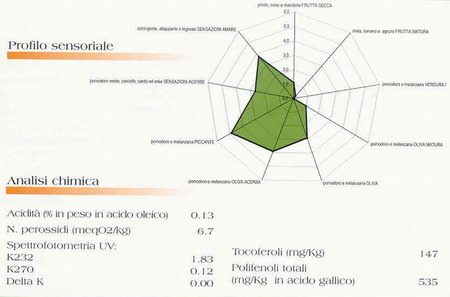
extraction process and extend to its use as a special condiment to food. This seminar, limited to 30 people and held over one day, combines the many facets of oil quality into a single presentation, attempting to detail the ways in which each protagonist in the production process can improve the product. It includes results of the latest European research into the chemical and organoleptic characteristics of premium (extra virgin) olive oil and suggestions to growers to improve the quality of their fruit and oil. Presented on Powerpoint it includes detailed lecture notes and opportunity for general discussion Outline
|
|||
|
BACK TO HOME |
|||
 |
|
|
 |
 |
|
 |
|